SearchUser loginNavigation |
St. Michael’s Bread
This is my go-to bread recipe, but it has been modified over the years. It calls for dissolving a yeast cake in warm water in which you dissolve two tablespoons of vegetable shortening. I always used Crisco. You wanted the water warm enough to dissolve the Crisco, but if you got it too hot, you would kill the yeast. It was always a cliff-hanger to see if the dough would rise.
I’ve made some notes in my old cookbook. I now use instant yeast that I buy from King Arthur Flour. It comes in quite a large package, but it keeps in the freezer. My notes say a scant tablespoon equals a package of yeast, which long ago substituted for the yeast cake. You just put it in with the dry ingredients. There’s no need to proof it. Instead of the Crisco I now use the same amount of olive oil. This makes yellower bread with a delicious taste that’s slightly different from the original. I think it’s better. Maybe the Portuguese of Provincetown used vegetable shorting, but their ancestors in Portugal used olive oil.
From experience I have learned that the recipe’s direction of 50 minutes at 350° is too long. Today I checked it at 35 minutes. I liked the color and the hollow sound when I thumped the bottom of the loaf. Then I checked it with a instant-read thermometer just to make sure, and it came out to 180°, which is what I wanted. Now there are only two downsides to baking bread. It’s not a lot of work, but you need to be home while it rises and when it bakes. Music on the stereo and a good book fill the wait. A more serious problem is you’re likely to eat more bread than you should before it even cools.
|
Explore Our ContentThe Foodie Pilgrim is also active on: Newest Recipes
|
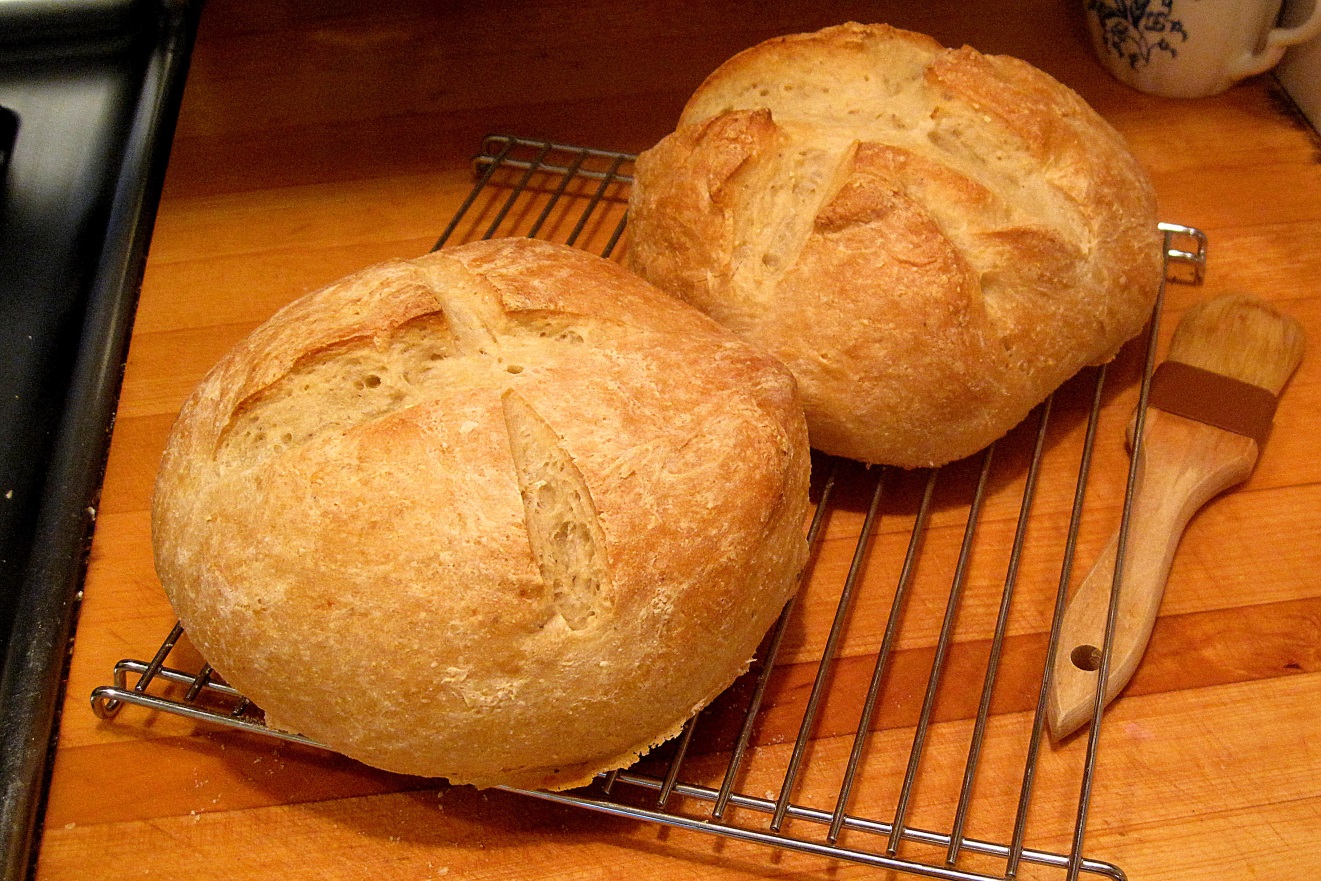 The only hard thing about baking bread is remembering how easy it is. Today I made St. Michael’s bread from Margaret Koehler's book . By the way, I see this book is available used for small money from Amazon.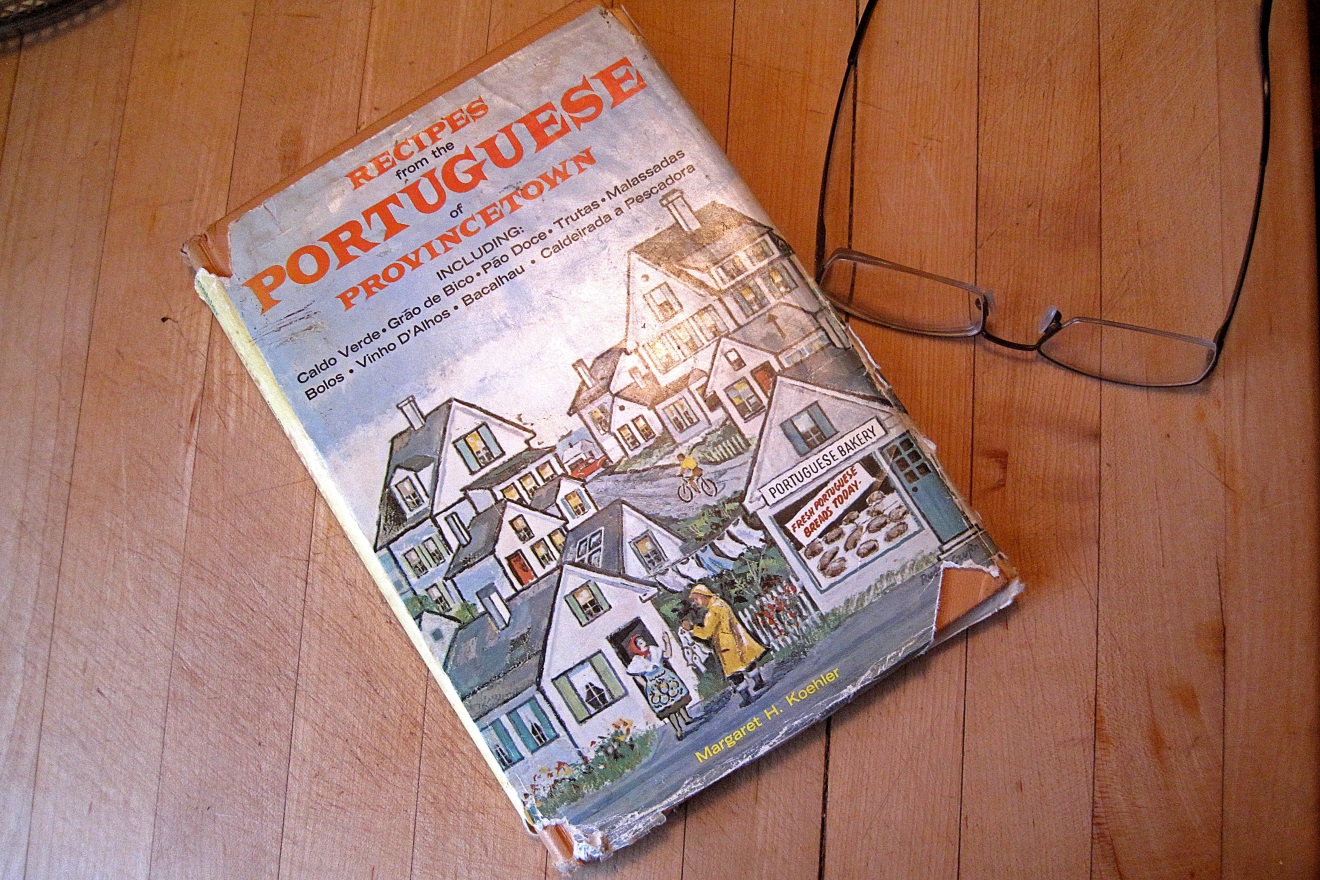
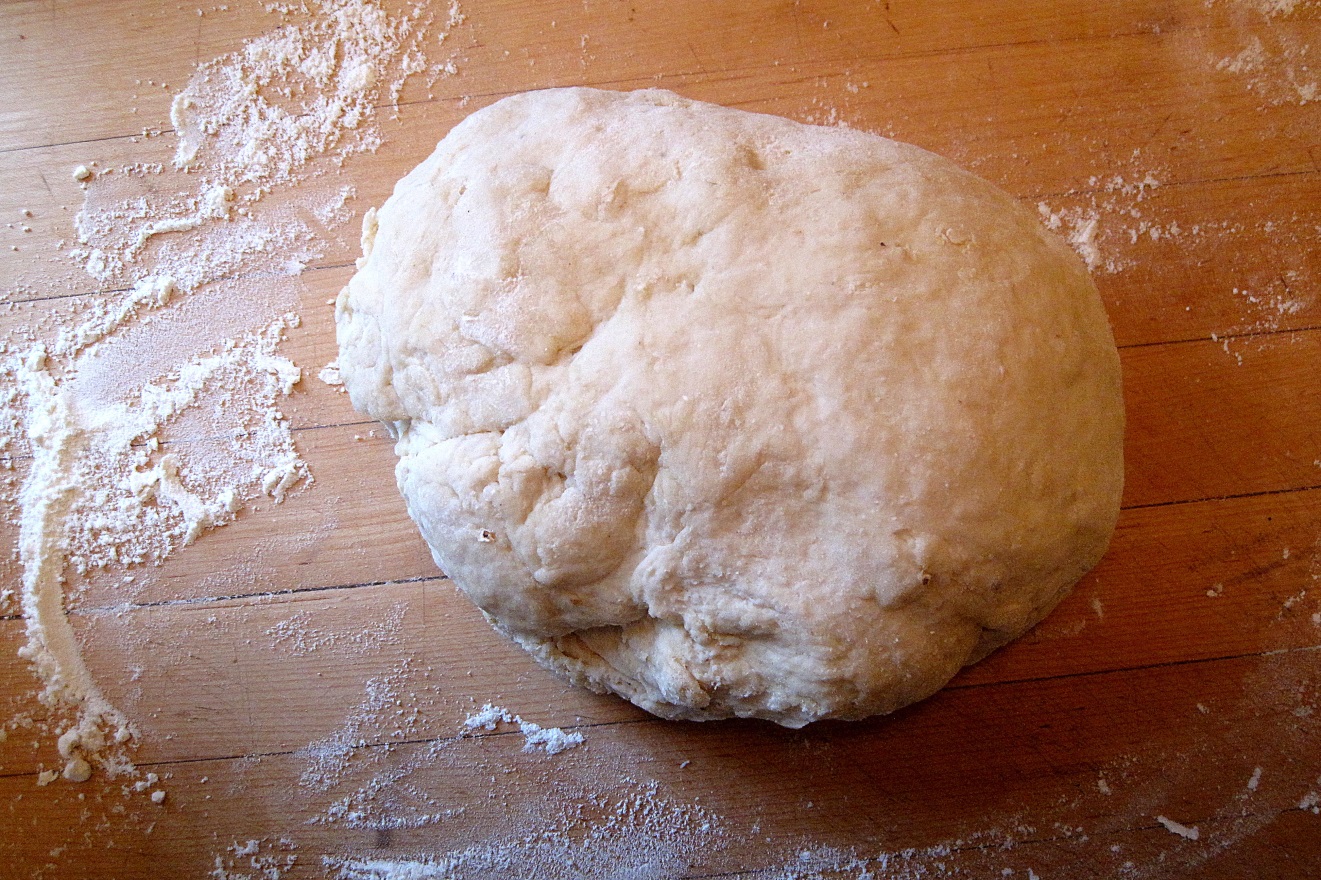 For the kneading I use the dough hook on my KitchenAid mixer. I like to knead bread, but the dough used to start out sticky, and I hated getting the residue off the table. It would clog a brush and ruin a sponge. Paper towels turned to shreds no matter what brand I used, and I ended up alternating between scraping it and washing the surface. Now, when the dough hook has done its work, I flour the table and knead the dough by hand for a minute or two until it forms a smooth ball. I actually like kneading bread, but this will do. Because it’s past the sticky phase when I put it down, all I need to do is brush away the leftover flour.