SearchUser loginNavigation |
History of Chowder
Robert Cox is a robust man who looks more like a lumberjack than a scholar, but his wit, assortment of degrees, and ornamented prose belie first impressions. His recent lecture at Pilgrim Hall was full of information and humor, and its topic was chowder. Having heard it, I bought , which he co-authored with Jacob Walker. Both my grandmothers made chowder. They used salt pork, milk, potatoes, fish or clams, and served it with crackers. They seasoned it with pepper and sometimes floated a pat of butter on top. My mother made it the same way, and I’d come in wet and cold from sledding and tuck into a steaming bowl that spoke to me of family and home. Like all New Englanders, I thought this chowder had been passed down from time immemorial, and I couldn’t imagine eating it any other way. As I grew to manhood, I learned the world is not as innocent as my mother’s kitchen. In Rhode Island they leave out the milk, and in New York they add tomatoes! But these were traveler’s tales from beyond the outskirts of civilization. Now my eyes are opened. The History of Chowder is packed with information that takes the reader on a fascinating journey through the past. The authors write: “This most comfortable of comfort foods carries a subtle aftertaste of international conflict, of conquest and enslavement, of the blood and tears that made Europe imperial and shaped the modern world.”
I often read about food, but this book taught me things I didn’t know about local history. It seems pigs were agents of colonialism and had almost as much to do with the displacement of the native people as the diseases harbored by the newcomers. Pigs are easily transported and pretty nearly raise themselves. They can be released into the wild and live off the land. The Pilgrims fenced their fields, but the Indians didn’t so the invading swine devastated native crops. Pigs also rooted in the clam flats that were mainstays of Indian sustenance. The white man salted pork and packed it away, and it became a basic ingredient of chowder.
I liked the reproductions of recipe cards, but I have to say most of the images in the book are badly reproduced and a lot of them are just plain lame. Never mind, A History of Chowder is a short, but fascinating treatise on local history centered around one of our most iconic regional dishes. After you read it, you’ll never look on a bowl of chowder the same way again. (1 vote)
|
Explore Our ContentThe Foodie Pilgrim is also active on: Newest Recipes
|
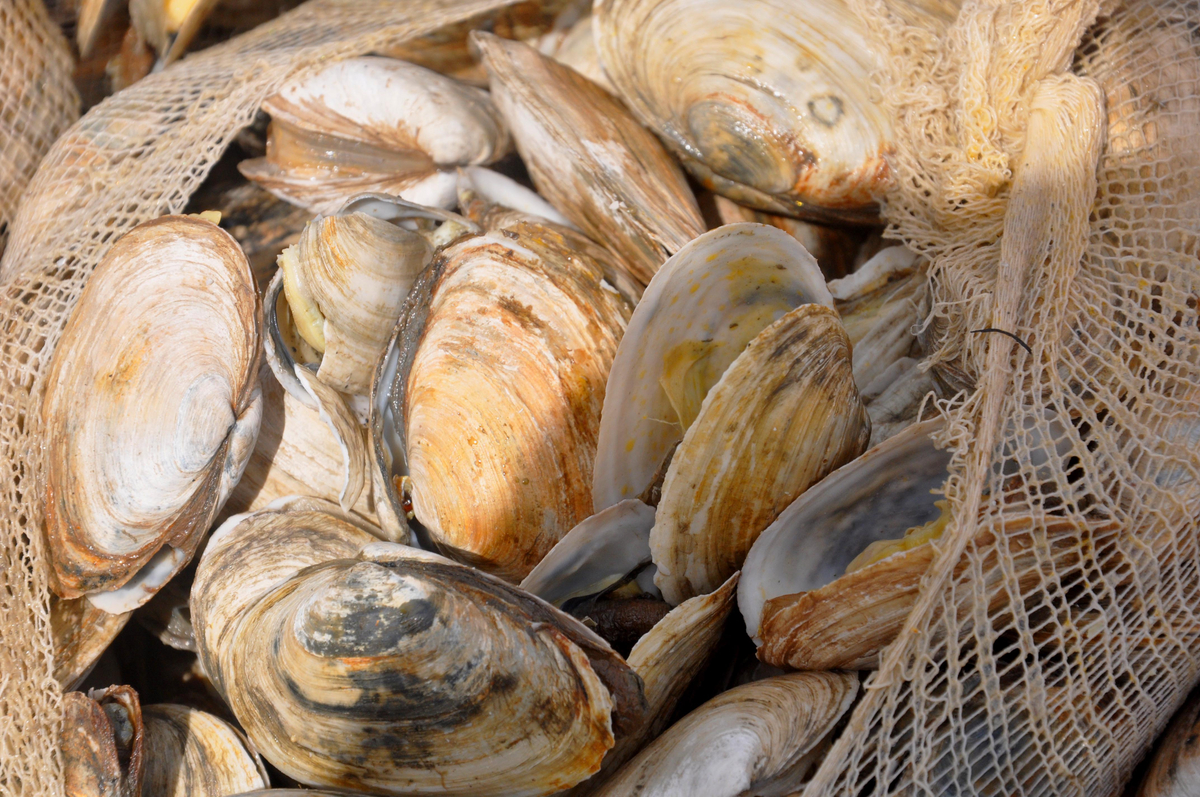 Now I find that Rhode Island chowder is the oldest version made today. It was born aboard fishing boats and was built from ingredients at hand. The ocean teemed with fish. Salt pork kept well in barrels and was a staple of seafaring life. So were crackers in the form of
 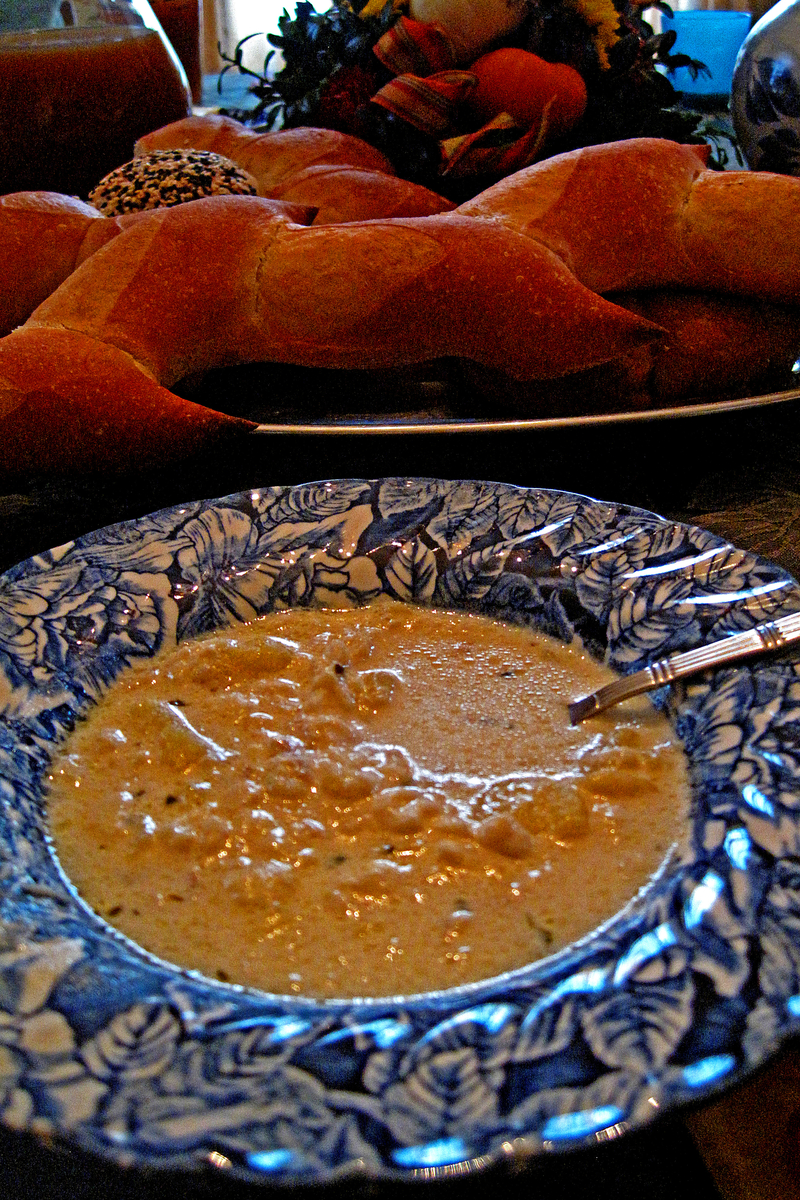 This hearty pottage was cooked by men for men, but chowder came ashore, and women civilized it. When I make stock from fish bones and freeze it so a cod filet from the fish market will make quick and flavorful chowder, I’m tinkering with a dish that has been tinkered with from the time Europeans reached these waters and these shores.
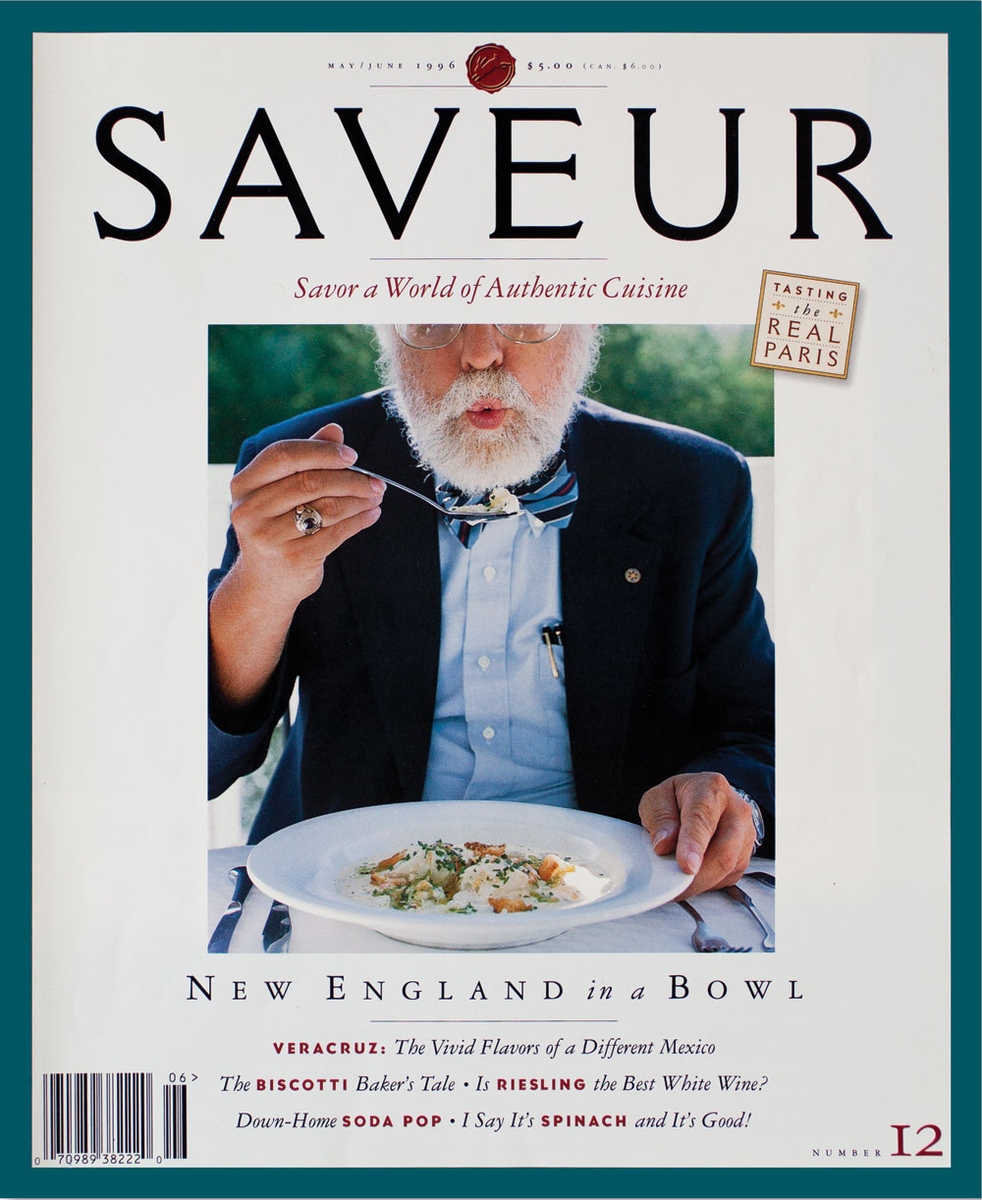 I enjoyed the appendix of chowder recipes that starts with one for diet chowder from the seventies that made my blood run cold. It’s made with skim milk, onion flakes, parsley flakes, and either butter flavoring or a teaspoon of oleo. How far we’ve descended from the time when hearty chowders were built and devoured on the ever-moving sea!